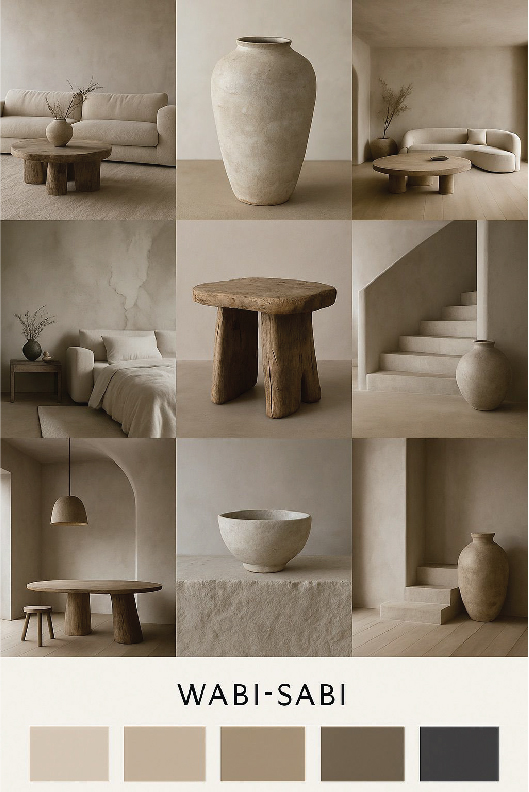
Imperfectly Perfect: The appeal of Wabi-Sabi in modern design
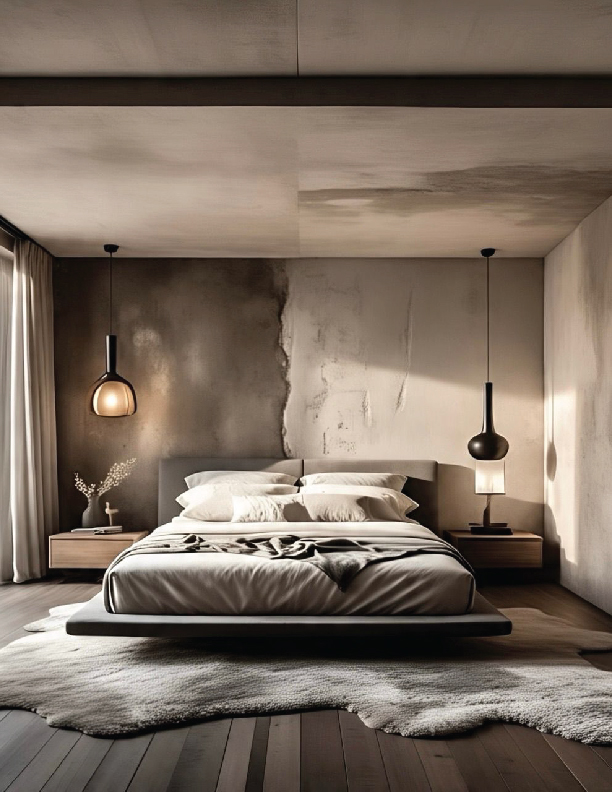
In a hectic digital world we are seeing an increase in popularity of Wabi-Sabi design and the reason is its alignment with broader cultural shift towards intentional living, sustainability, and emotional wellness — all of which are influencing how people want their homes to feel. Let’s explore some key features of Wabi-Sabi’s appeal and why we may see a growing trend of this style.
🪵 Why Wabi-Sabi would be a choice for many
1. A Desire for Calm and Simplicity
- After years of bold maximalism and digital overload, people are craving more quiet, grounded, and restorative spaces.
- Wabi-sabi embraces imperfection, minimalism, and nature — offering a sense of serenity that feels emotionally sustainable.
2. Sustainability & Natural Materials
- Wabi-sabi favours organic materials like stone, wood, linen, clay, and hand-crafted finishes.
- This ethos aligns with the increasing demand for eco-conscious design, local craftsmanship, and timelessness over trends.
3. Emotional Luxury
- Luxury is shifting from material excess to sensory richness and emotional resonance.
- Wabi-sabi interiors feel authentic, warm, and lived-in, with a sense of soul that modern consumers appreciate.
4. Cultural Influence
- The design world has been strongly influenced by Japanese aesthetics (think Muji, Tadao Ando).
- The crossover between Japandi, Scandinavian minimalism, and Wabi-Sabi continues to dominate global trend reports.
⸻
🔥 Trending Wabi-Sabi Design Features
- Limewashed, imperfect walls
- Handmade ceramics and aged metals
- Weathered wood furniture
- Neutral, earthy palettes (moss, clay, sand, stone)
- Natural fiber rugs and cozy textiles
- Asymmetry, layering, and negative space